
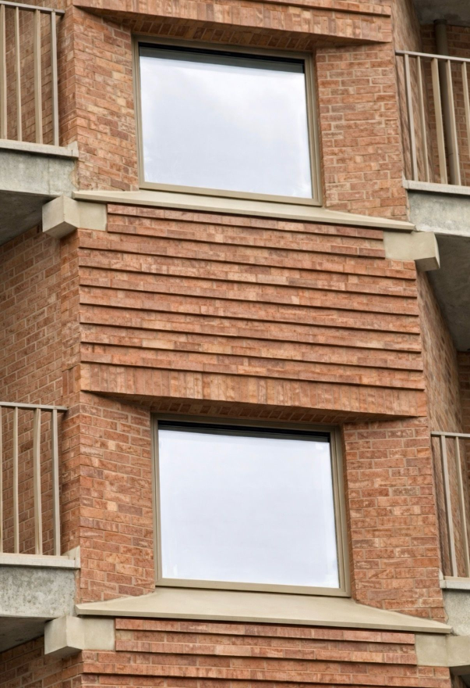
Water leaking from window frames can quickly become more than a maintenance ticket. For facilities managers, block managers and housing providers, water seeping through can lead to damaged finishes, resident complaints, mould concerns, insurance queries and repeat call-outs when the first repair does not solve the cause.
The challenge is that leaks are not always straightforward. Water may appear around a window, but the point of entry may be somewhere else. It can travel through cavities, behind cladding, along interfaces or through blocked drainage routes before becoming visible internally. That is why resolving water ingress on commercial buildings usually requires proper diagnosis, technical triage and evidence-led repairs rather than temporary patching works.
1. Understanding the Problem
The first step is understanding what the leak is telling you. Water ingress may be caused by failed perimeter sealant, damaged gaskets, blocked drainage channels, poor original installation, frame movement, defective flashings, cladding interface issues or damage to the surrounding substrate.
FM teams should gather useful information before arranging attendance, find out:
- Where is the water appearing?
- Does it happen only during heavy rain or wind-driven rain?
- Is the leak at the head, sill, jamb or surrounding reveal?
- Is the window on an exposed elevation?
- Have similar issues been reported in the same stack, floor or block?
This information helps the contractor triage the issue properly. It may point towards a local seal failure, a drainage problem or a wider building envelope issue. It also helps determine whether specialist access, multiple operatives or additional materials may be required.
A good first response is not just speed. It is sending the right team with the right information so the issue can be investigated properly.
2. How to Identify the Source of the Leak?
Water leaking from the top of the window frame is a common report, but it does not always mean the window head is the original entry point. Water may be entering higher up the façade and tracking down behind finishes before appearing above the window.
A proper investigation should check the window unit, perimeter sealant, frame joints, gaskets, drainage paths, fixings and surrounding construction. The contractor should also inspect likely interface points, such as where the window meets masonry, render, cladding, cavity trays or flashings.
Controlled water testing may be useful where the source is not clear. This should be carried out methodically, starting low and moving upwards, so the team can identify the point at which water begins to enter. Randomly spraying the whole elevation can make the cause harder to isolate.
Drainage failures are another common cause. Many window systems are designed to manage small amounts of water and discharge it externally through drainage channels or weep holes. If those routes are blocked by debris, sealant, dirt or previous repairs, water can back up and enter the building.
3. Technical Triage
Knowing how to seal a window from water leaks properly depends on the diagnosis. A simple seal failure may be resolved by removing failed sealant, preparing the surface correctly and applying a suitable commercial-grade sealant. The preparation matters. Sealing over damp, dirty or failed material is unlikely to provide a durable repair.
A gasket or drainage issue needs a different response. The contractor may need to replace gaskets, clear drainage routes, check weep holes and confirm that water can escape as designed. Covering drainage paths with sealant may make the problem worse.
A major frame defect requires more than a quick repair. If the frame has moved, fixings have failed, joints have opened or the surrounding substrate is compromised, a surface seal may only hide the issue temporarily. In these cases, the contractor should report the defect clearly and recommend the right next step, which may include further investigation, access planning or replacement.
Technical triage helps FM teams avoid paying for repeated short-term repairs that do not address the real cause.
4. Permanent Fixes
Temporary surface sealing works are common because they provide a quick visible response. They can also create repeat call-outs. If the old sealant has failed, the substrate is wet or the leak is caused by movement or drainage, surface-level sealing rarely provides a long-term solution if the underlying issue has not been resolved.
A permanent repair should start with proper preparation. Failed sealant should be removed. The area should be cleaned, dried and checked. The correct material should be selected for the building movement, exposure level and surfaces involved. Where gaskets, fixings or drainage components are the issue, those should be addressed rather than covered.
Where the leak is linked to the building interface, the repair may need coordination with other trades. For example, water ingress linked to cladding, brickwork, cavity trays or flashings may not be fully resolved by the glazing contractor alone. Clear reporting helps the FM team understand this and decide whether a wider survey is needed.
Evidence should be recorded before and after the repair. Photographs, location references and notes on the cause help close work orders properly and reduce future disputes.
5. Signs You Need a Window Replacement or a Wider Survey Programme
There comes a point where repeated repairs are no longer the best use of budget. FM teams should consider replacement or a wider survey programme when leaks are repeated, previous repairs have failed, several units on the same elevation are affected, parts are obsolete or frames are damaged, warped or corroded.
Access cost is another factor. If specialist access is required, it may be more efficient to inspect and repair several windows during one planned visit rather than returning for individual tickets. This is particularly important on multi-storey blocks, high-level communal areas and large managed estates.
A survey can help separate urgent repairs from planned works. It can identify patterns, group similar issues, record access requirements and support budget planning. It can also show when replacement is more practical than repeated remedial attendance.
For FM and block management teams, this reduces administration, resident disruption and uncertainty. Instead of managing a stream of reactive leaks, the team can make decisions from evidence.
When to Escalate Water Ingress Into a Wider Survey Programme?
Persistent water leaking from window frames is often a sign of a wider building envelope or glazing issue rather than an isolated defect. Where leaks continue to reappear, a structured survey can help identify patterns, prioritise remedial works and reduce repeat attendance across the building.
APW Glazing supports FM companies, block managers and housing providers with technical surveys, remedial investigations and planned water ingress repair programmes.
Contact the team to discuss a site survey or planned remedial works programme.