
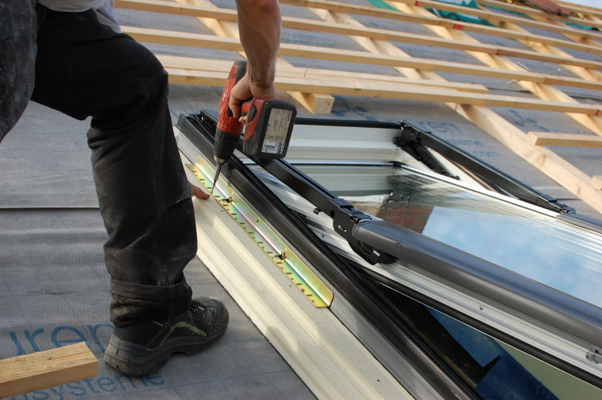
On major commercial projects, the glazing package has to fit into a much wider construction programme. Problems with openings, access, interfaces or lifting arrangements can quickly affect productivity and create work for other trades.
Knowing how to prepare for window installation helps main contractors and installation teams identify these issues before frames begin moving through the building.
A practical window installation checklist should cover seven areas before installation starts: openings and tolerances, site logistics, programme sequencing, fixing and weathering details, protection, health and safety arrangements, and quality assurance.
The exact checks required will vary by project, glazing system, specification and contractual scope. Approved project details, drawings and manufacturer requirements should always take precedence over the general guidance set out below.
1. Checking Openings, Dimensions and Installation Tolerances
Before frames arrive on site, structural openings should be surveyed and confirmed suitable by the appropriate party. Installing frames into out-of-tolerance apertures creates severe alignment issues later.
Surveying openings involves checking key dimensional parameters:
- Opening dimensions should be measured across multiple points to confirm height, width and diagonal squareness.
- Structural substrates should be checked for plumb, level and structural integrity.
- Perimeter expansion gaps should be calculated correctly to allow for thermal movement.
Identifying structural variations early gives site teams time to adjust surrounds. Establishing accurate dimensions helps prevent forced frame fitting, protecting outer seals and long-term performance.
2. Preparing Storage Areas, Site Access and Lifting Arrangements
Commercial glass units are heavy and vulnerable to accidental damage on busy sites. Proper site planning ensures materials move efficiently from delivery vehicles to their final floor locations.
Managing site logistics requires several key preparations:
- Clear, level lay-down areas should be designated to store glass stillages safely.
- Floor plates should be checked to confirm temporary storage does not exceed structural load limits.
- Lifting plant such as mobile cranes, hoists and spider cranes should be scheduled, where applicable, to avoid site bottlenecks.
Organising vertical transport in advance keeps installation teams moving. Clean access routes allow teams to work continuously without blocking other active trade packages.
3. Sequencing Window Installation With The Master Build Programme
Integrating the glazing package seamlessly into the master construction programme protects the critical path. Achieving early building envelope enclosure allows drylining, plastering and mechanical services to start floor by floor.
Delivery schedules should be aligned with surrounding trade activities, in coordination with the main contractor. Installing windows too early can expose finished frames to heavy structural works. Installing them too late stalls internal fit-outs. Integrating a commercial window installation package correctly keeps all sub-contractors moving in a logical sequence.
4. Verifying Fixings, Membranes, Cills and Weatherproofing Details
Weatherproofing performance depends on correct perimeter interface details. Before fitting begins, all interface components should be verified against approved drawings.
Key weatherproofing checks include:
- Confirming specified structural fixings, brackets and isolation shims are on site and approved.
- Checking EPDM membranes, where specified, for correct lap widths, primer compatibility and air barrier continuity.
- Ensuring pressings, sub-cills and drainage channels are aligned to discharge water away from the structure.
Using a detailed window installation checklist helps ensure perimeter seals perform effectively against water ingress and thermal bridging. Thorough interface checks help support compliance with current UK building regulations, alongside the relevant approved details and specifications.
A good window installation checklist should therefore focus on the specific project details rather than assuming that one weatherproofing arrangement applies to every window system.
5. Protecting Frames And Glazing Across All Construction Phases
Protecting installed units from follow-on trade damage is vital for main contractors. Mortar splashes, paint overspray and grinding sparks can easily ruin powder-coated frames and specialised glass coatings.
Effective protection strategies require a multi-stage approach:
- Applying heavy-duty protective films to frame profiles prior to installation.
- Fitting corner protectors and temporary padded guards in high-traffic site routes.
- Implementing strict trade handovers to ensure adjacent teams treat installed glazing with care.
Preventing site damage avoids expensive glass replacement and cosmetic repairs right before practical completion.
6. Reviewing RAMS, Site Requirements and Health & Safety Procedures
Safety is paramount during any commercial window installation. Operatives often handle heavy glass at elevated heights, requiring strict adherence to health and safety protocols.
Before site start, the relevant documentation should be reviewed and confirmed by the responsible party:
- Risk Assessments and Method Statements (RAMS) should be finalised, signed and communicated to site teams.
- Plant operator tickets, edge protection systems and fall arrest equipment should be fully certified.
- Site-specific safety inductions should be completed by all installation operatives.
Thorough safety reviews reduce operational hazards, protecting workers and supporting compliance with site safety standards.
7. Quality Assurance Checks, Snagging and Preparing For Project Handover
Closing out a glazing package requires a disciplined quality assurance framework. Documenting inspections floor by floor prevents a frantic search for sign-offs at project completion.
A complete QA handover process covers several core checks:
- Progressive floor-by-floor inspection records verifying fixings, alignment and gasket compression.
- Water hose testing on selected openings, where specified, to confirm weathertightness.
- Operation checks on all opening sashes, handles and locking hardware.
- Defect management systems to log and resolve minor snagging items promptly.
Maintaining comprehensive QA records simplifies sign-off with building control inspectors and provides clients with confidence in the finished building envelope.
Delivering Excellence On Every Envelope
Thorough pre-checks turn complex glazing projects into predictable, successful installations. By verifying dimensions, organising logistics, maintaining safety standards and keeping clear QA records, main contractors and installation teams can help protect both programme and budget. Working with a skilled partner supports every frame meeting the required performance standards from pre-start to handover.
Need an experienced installation partner on site? APW Glazing installs commercial window and door packages and supports main contractors from pre-start checks through to handover.

Image Source: Envato